
The Story of Salads: Nourishment for Body and Soul
Salads, at their simplest, are dishes combining raw or cooked vegetables, often dressed in oils, vinegars, or other seasonings. The word derives from the Latin "Salata," meaning salted, reflecting the ancient Roman practice of seasoning greens with brine. Coming to you in a four-part series!!
RECIPIES OF RESILIENCE
Wandering Armenian
1/19/20263 min read
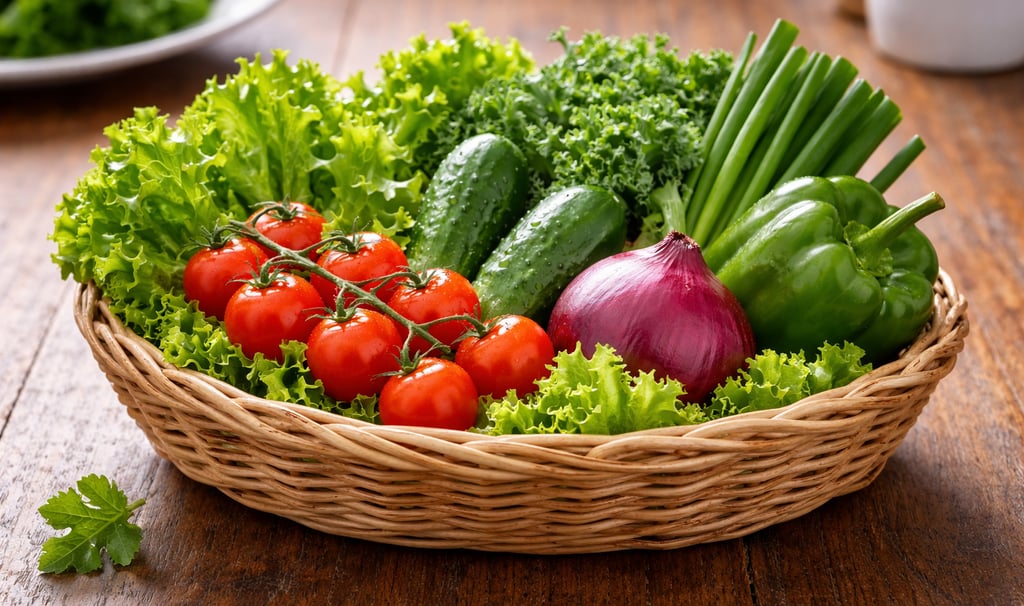
The Story of Salads: Nourishment for Body and Soul
A Brief History
The ancient Romans and Greeks consumed mixtures of raw vegetables with salt and oil, but salads as we know them evolved over centuries. By medieval times, Europeans enjoyed herb salads, while the Renaissance brought more elaborate preparations. Salads became mainstream in Western cuisine during the 18th and 19th centuries, eventually becoming a daily staple as nutritional science advanced and fresh produce became more accessible.
Health Benefits
From a health perspective, salads are nutritional powerhouses. They provide essential vitamins, minerals, fibre, and antioxidants while being low in calories. Regular salad consumption aids digestion, supports heart health, boosts immunity, and helps maintain healthy weight. The variety of colorful vegetables delivers phytonutrients that fight inflammation and disease.
A Christian Perspective on Salads: Honoring the Temple
Spiritually, salads remind us of God's generous provision. In Genesis 1:29, God declares: "I give you every seed-bearing plant on the face of the whole earth and every tree that has fruit with seed in it. They will be yours for food." This divine gift of plants sustains us from the very beginning of creation.
Our Bodies as God's Temple
Salads also embody stewardship—caring for our bodies as temples of the Holy Spirit. In 1 Corinthians 6:19-20, Paul writes: "Do you not know that your bodies are temples of the Holy Spirit, who is in you, whom you have received from God? You are not your own; you were bought at a price. Therefore, honor God with your bodies."
Paul's message is profound: believers don't merely own their bodies—they are stewards of sacred vessels. When Christ redeemed us, the Holy Spirit took residence within us, making our physical bodies His dwelling place. This transforms how we view food choices. Eating nourishing salads isn't just about physical health; it's an act of worship and gratitude.
The phrase "bought at a price" reminds us of Christ's sacrifice. Because we belong to God, our daily choices—including what we eat—should reflect that ownership. Choosing nutrient-dense foods like salads demonstrates reverence for God's craftsmanship and maintains the temple where His Spirit dwells.
This doesn't mean legalism about food, but rather mindful gratitude. When we consume the vibrant greens, crisp vegetables, and wholesome ingredients God created, we participate in His ongoing provision while honoring the sacred responsibility of caring for His temple. Every healthy meal becomes an opportunity to glorify our Creator through wise stewardship.
Seasonal Salads: A Spiritual Rhythm
Spiritual Perspective: Eating seasonally aligns us with God's divine calendar. Ecclesiastes 3:1 reminds us "There is a time for everything, and a season for every activity under the heavens." Seasonal eating cultivates patience, gratitude, and trust in God's provision. It teaches us to wait for strawberries in spring and squash in autumn, mirroring our spiritual journey of waiting on God's perfect timing.
Today's Secular Contrast: Modern culture demands everything immediately—strawberries year-round, regardless of season. This mindset breeds entitlement and disconnects us from creation's rhythms. We've lost the joy of anticipation and the discipline of seasonal living, prioritizing convenience over God's natural order and stewardship.
Spring Salad: Renewal Bowl
Ingredients: Fresh baby spinach, asparagus spears (blanched), sugar snap peas, radishes, strawberries, goat cheese, and toasted almonds with a lemon-honey vinaigrette.
Why Spring? This salad celebrates renewal and new beginnings. Spring's tender greens and crisp vegetables symbolize resurrection and fresh starts, echoing the spiritual renewal we find in Christ.
Summer Salad: Garden Harvest
Ingredients: Mixed lettuce, ripe tomatoes, cucumbers, bell peppers, fresh basil, corn kernels, red onion, and mozzarella pearls with a balsamic vinaigrette.
Why Summer? Bursting with colour and vitality, this salad captures summer's abundance. The peak-season vegetables offer maximum nutrition and flavor, reminding us of God's generous provision during harvest time.
Autumn Salad: Harvest Gratitude
Ingredients: Arugula and kale, roasted butternut squash, dried cranberries, toasted pecans, apple slices, crumbled feta, and pomegranate seeds with a maple-Dijon dressing.
Why Autumn? Rich, warming flavors reflect the season of thanksgiving. Roasted squash and autumn fruits celebrate the fall harvest, inviting gratitude for God's faithful provision as we approach winter.
Winter Salad: Hearty Comfort
Ingredients: Massaged kale, roasted beets, orange segments, walnuts, shaved Brussels sprouts, goat cheese, and quinoa with a citrus-tahini dressing.
Why Winter? Robust, nutrient-dense ingredients provide sustenance during colder months. Winter greens and root vegetables demonstrate God's wisdom in providing exactly what our bodies need throughout the year's cycle.
Each seasonal salad reflects Ecclesiastes 3:1: "There is a time for everything, and a season for every activity under the heavens."
Join Wayfarer Jonathan as he shares four unforgettable stories from his aid work across continents: Spring's renewal in a Syrian refugee camp. Autumn's letting go in the Himalayas. Winter's dark provision in Siberia. Summer's abundant generosity in war-torn South Sudan.
Each seasonal salad becomes a sermon. Each ingredient whispers Scripture. Each bowl holds both nutrition and truth.
Discover how God prepares a table, even in our hardest seasons.
Coming soon: Four devotionals that will forever change how you see your salad bowl. Get ready to be enriched for the next four to six days in a row.
You may also visit: Wandering Armenian | Substack