The Bread of Brotherhood
A shared meal transcends barriers and reveals divine providence in the most unexpected places.
WHERE FAITH MEETS THE ROAD
Wandering Armenian
1/31/20262 min read
The Bread of Brotherhood
Kandahar, 2004
The mortar attack had ceased, leaving an eerie silence punctuated only by settling dust and the occasional crackle of radio chatter. I crouched in the bunker beside Rashid, our interpreter, whose hands trembled as he clutched his worn prayer beads. The small wooden beads clicked softly against each other, a rhythmic counterpoint to our ragged breathing. When the all-clear finally sounded, he invited me to his quarters with an unexpected formality that seemed important to him.
"Please, I would be honored if you would share my dinner," he said softly, his voice still shaky from the adrenaline.
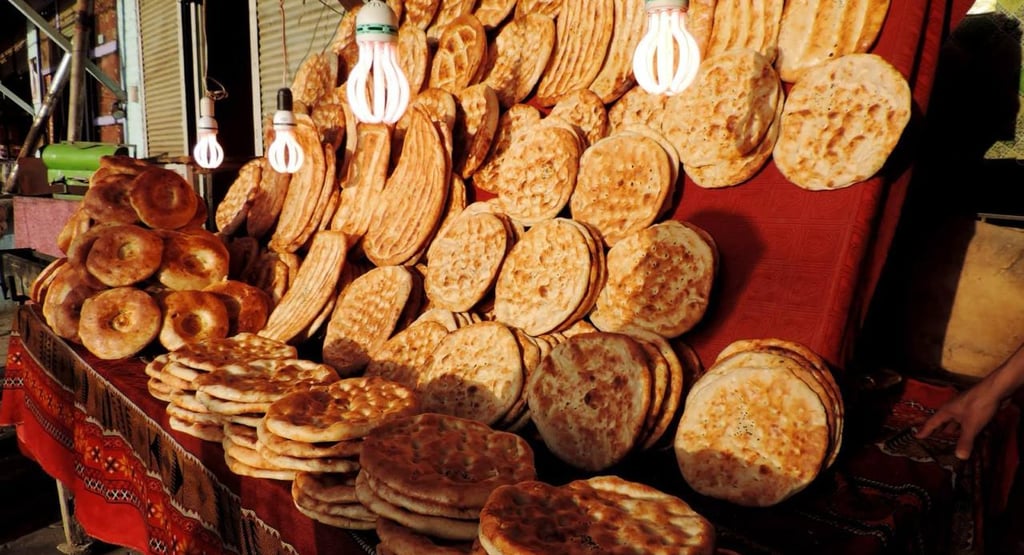
His room was sparse-a thin mattress, a small trunk, a photograph thumbtacked to the plywood wall. But he produced fresh naan from beneath a clean cloth, the bread still warm from the tandoor oven that operated just outside the wire, tended by a village woman who defied danger daily to earn her living. He tore the flatbread with careful reverence, offering me the first piece along with shorwa, a fragrant lamb stew rich with coriander, turmeric, and tomatoes that had simmered for hours. The aroma filled the small space-earthy, warm, redolent of home and comfort.
As we ate in companionable silence, sitting cross-legged on his floor, I noticed his family photo more closely-a wife with kind eyes and three young daughters he hadn't seen in two years. Their faces smiled out at us from happier times, before the war consumed everything.
"Why do you stay, Rashid?" I asked, setting down my bowl. "It's so dangerous for you. The Taliban know you work with us. You could take your family and leave."
He smiled, a profound sadness flickering in his eyes mixed with something else resolve, perhaps, or peace. "God places us where we are needed, my friend. You come here to protect my people from those who would destroy us. I stay to help you understand them, to bridge the gap between your world and mine. This is my jihad, my true struggle for peace, not the twisted version the extremists preach."
His words struck deep into my soul. Here was a man who had every reason to flee, to save himself, to abandon this impossible mission. Yet he stayed because he believed in something greater than his own safety or comfort. That night, sharing simple bread and stew in a plywood room while the dust of war settled outside, I understood that divine purpose doesn't always announce itself with trumpets and thunder and sometimes it whispers through the generosity of strangers who become brothers, through shared meals and quiet conversations.
The bread we broke together became a sacrament of sorts, a reminder that God works through the smallest acts of kindness in the darkest places, that His table is set even in the valley of the shadow of death.
"Share with the Lord's people who are in need. Practice hospitality." Romans 12:13