Summer Salad: A Wayfarer's Lesson in Abundance
In a war-torn village in South Sudan, Jonathan learns that summer's abundance isn't just about what we receive, but what we're called to share extravagantly.
RECIPIES OF RESILIENCE
Wandering Armenian
1/21/20264 min read
Summer Salad: A Wayfarer's Lesson in Abundance
July 2017. South Sudan. The civil war had ravaged this once-fertile region, but summer rains had finally returned after three years of drought. I'd been sent to assess agricultural recovery, and for the first time in months, I'd taken my entire family along. Sarah, Caleb, and Ethan believing we'd witness restoration, not tragedy.
We were wrong.
The village of Nimule had planted gardens in faith when the rains came. And summer delivered spectacular harvest of tomatoes bursting red on vines, cucumbers hanging heavy, peppers in yellow and orange brilliance, corn stalks reaching skyward, basil perfuming the air. After years of famine, the earth had erupted in abundance. Actually, it seemed as the promise in Psalm 65 verse 11 had come alive- “You crown the year with your bounty;
your wagon tracks overflow with abundance”.
But there was a problem. A catastrophic one.
The rebel militia that controlled the region's only road demanded impossible "taxes" for any produce transported to market. The villagers' harvest, in fact their first in years would rot in the fields. Everything they'd hoped for, prayed for, worked for, would turn to waste within days in the brutal heat.
I watched Sarah standing in a garden, surrounded by perfect tomatoes, weeping. "Why, Jonathan? Why would God give them this abundance just to let it die?"
The village elder, a man named James, called an emergency meeting that evening. I expected anger, despair, maybe even surrender. Instead, James stood before his people holding a basket overflowing with vegetables and said something that still haunts me: "We have a choice. We can watch this abundance rot while we starve our souls in bitterness. Or we can feast here and together and let this harvest teach us what God wanted us to learn all along."
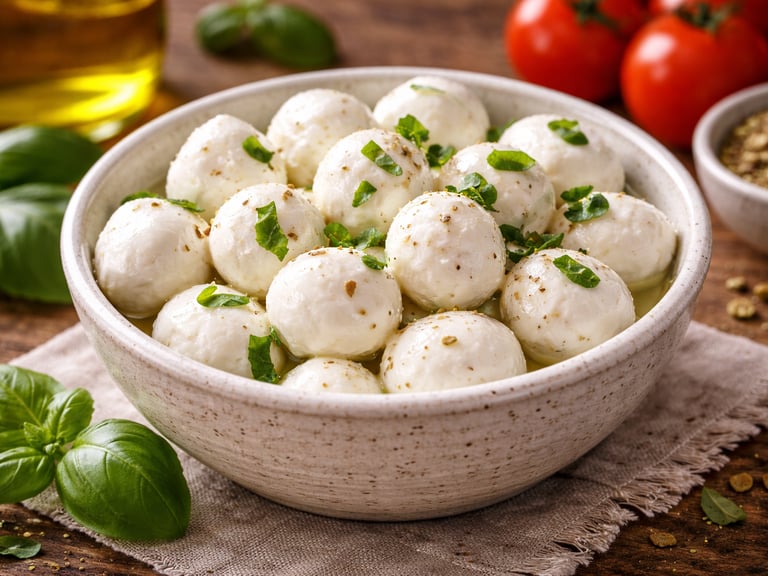
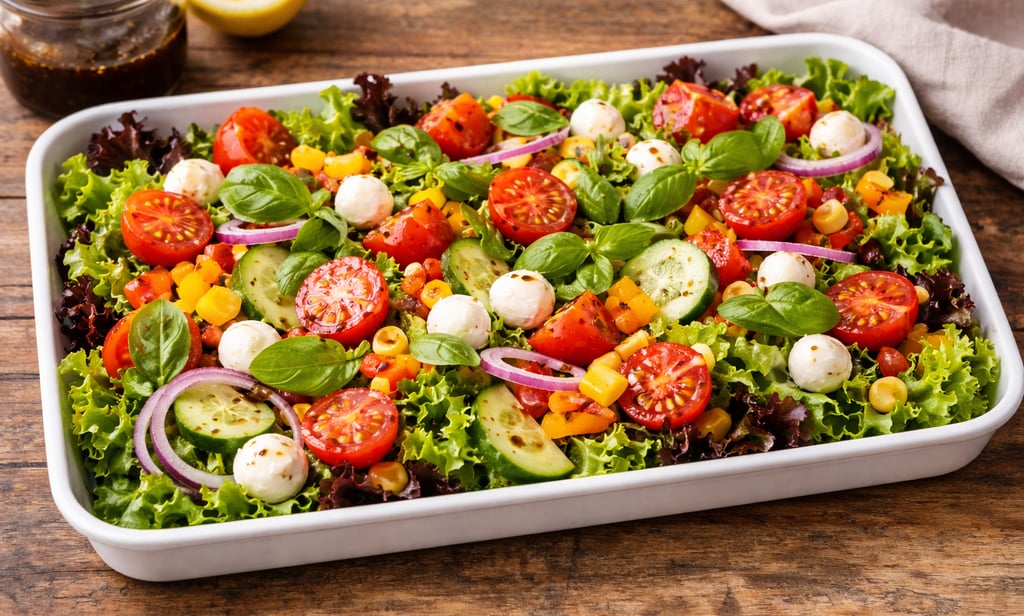
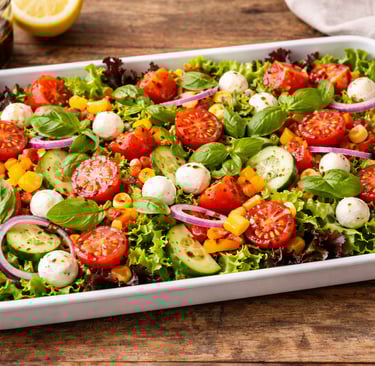
The next morning, the entire village gathered in the central square. Long tables appeared. And they began creating the most magnificent summer salad I'd ever witnessed: tomatoes, cucumbers, bell peppers, corn, onions, fresh basil, even mozzarella cheese from their few remaining goats. Simple. Colorful. Abundant.
But here's what broke me: they invited everyone. Not just villagers, but refugees passing through. Aid workers like us. Even and I watched this with my own eyes; the young soldiers from the militia checkpoint who'd created this crisis.
James saw my shock. “You think this is foolish?” he asked gently. “I think it’s incomprehensible,” I admitted.
He smiled. "Summer teaches what we forget in scarcity: abundance isn't given to be hoarded. It's given to be poured out. Look-" he gestured at the overflowing gardens-"summer doesn't produce just enough. It produces excess. Extravagance. More than we can possibly keep."
A young mother named Grace approached with her three children. She placed a massive bowl of salad before one of the militia soldiers-a boy barely eighteen who'd been part of the force extorting them.
"We can't save this harvest," she said to him, her voice steady. "It will rot. But we can let it do what God designed summer abundance to do-feed people. Even our enemies. Because that's what Jesus did, didn't He? Fed thousands. Freely. Extravagantly."
The soldier stared at the vibrant salad: red tomatoes, green cucumbers, golden corn, all glistening with oil. His hands trembled. Then he wept.
That day, over two thousand people ate summer salad in Nimule. The harvest that couldn't reach market became a feast that reached hearts. The abundance that seemed wasted became a sermon in vegetables—a living parable of Luke 6:38: "Give, and it will be given to you. A good measure, pressed down, shaken together and running over, will be poured into your lap."
My son Caleb asked me later, "Papa, did they waste their harvest?" "No, sweetheart," I said, finally understanding. "They invested it in something that won't rot-they invested it in souls."
Summer salad's spiritual lesson isn't subtle: God's abundance is never meant for hoarding. Summer produces excess specifically so we can practice extravagant generosity. The overflowing tomatoes, the abundant cucumbers, the prolific basil-they're all sermons shouting, "This is how I love! Generously! Wastefully! Without calculation!"
Three weeks later, something miraculous happened. The young soldier who'd wept over that salad defected from the militia. He returned to Nimule and helped negotiate the road's reopening. The village's next harvest reached market.
But they never stopped the summer feasts. Every July, James tells me via email, they gather. They make summer salad. And they invite everyone: friends, strangers, even former enemies.
Because summer abundance taught them what we all need to learn: "Freely you have received; freely give" (Matthew 10:8).
Now, every summer, Sarah fills our table with garden salad: tomatoes, cucumbers, peppers, corn, basil. We invite neighbors, refugees we're helping resettle, anyone who needs a place at the table. It's never just about the food.
It's about remembering that God's summer abundance- whether in gardens or in our lives is always an invitation to pour out, not pile up. To feast together, not hoard alone. To let the overflow of our blessings become the nourishment of others' souls.
That's the gospel of summer salad!!
I encourage you to also visit: Wandering Armenian | Substack